4 Reasons Your Dog Keeps Getting UTIs

by Gallant Staff

Urinary tract infections are among the most common infectious diseases in dogs. While a single dog UTI can be frustrating enough, repeat infections are often even more concerning for pet parents. If your dog keeps getting UTIs, especially in close succession, it may be a sign that something more than a one-time infection is going on.

A urinary tract infection in dogs usually needs veterinary treatment and typically won’t clear up on its own. And when recurring UTIs in dogs keep happening, veterinarians often start looking for an underlying reason. In some cases, the original infection never fully resolved. In others, skin irritation, poor bladder emptying, or a chronic medical condition may be contributing to the problem.

Below, we’ll break down four common reasons your dog may keep getting UTIs, along with the dog UTI symptoms to watch for, how veterinarians diagnose recurrent urinary issues, and what treatment and prevention may look like.

What is a UTI in Dogs?

A UTI, or urinary tract infection, happens when bacteria enter the urinary tract and begin multiplying. Most commonly, this affects the bladder, which is why some people refer to it as a bladder infection in dogs.

Dogs with UTIs may have obvious symptoms, but not always. Some dogs strain to urinate, pee more often than usual, or have accidents in the house. Others may only show subtle signs at first.

It’s also important to know that not every urinary symptom is caused by infection. If your dog is peeing frequently, straining, or showing blood in their urine, the cause could also be bladder stones, inflammation, or a structural urinary problem. That’s one reason testing matters, especially if your dog has had repeat infections.

Dog UTI Symptoms: Signs to Watch For

Some dogs make it obvious when something is wrong. Others are much more subtle. Common dog UTI symptoms include:

  • Dog peeing frequently
  • Straining to urinate
  • Urinating only in small amounts at a time
  • Accidents in the house
  • Cloudy or strong-smelling urine
  • Blood in dog urine
  • Licking around the vulva or penis
  • Signs of discomfort while urinating
  • Restlessness or feeling uncomfortable
  • Increased urgency to go outside

If your dog suddenly starts asking to go out more often, squat-walking around the yard with little coming out, or having indoor accidents despite being house-trained, a UTI is one possibility worth checking.

That said, these symptoms aren’t exclusive to infection. Bladder stones, urinary crystals, inflammation, pain, and even endocrine disease can sometimes cause similar signs. So if your dog is showing urinary symptoms repeatedly, it’s best not to assume it’s “just another UTI.”

4 Reasons Your Dog Keeps Getting UTIs

There are several reasons a dog may develop recurrent urinary tract infections, but these four are especially important to consider.

1. Relapse

One possible reason your dog keeps getting UTIs is relapse. In these cases, the new infection may not actually be “new” at all. Instead, the original infection may not have been fully cleared the first time around.

There are generally two broad patterns with UTIs:

  • infections caused by a new organism
  • relapses of a previous infection

With a relapse, bacteria from the original infection can remain in the urinary tract even after treatment seems to help. Symptoms may fade, then return days or weeks later. In some dogs, signs of a relapse may take a week to a month or even longer to fully reappear.

A relapse can happen for several reasons, including:

  • the bacteria didn’t respond fully to the antibiotic
  • the antibiotic course wasn’t long enough
  • the medication wasn’t the best match for the bacteria involved
  • an underlying issue made it difficult for the infection to fully resolve

This is one reason veterinarians often recommend a urine culture for a recurrent UTI in dogs. If the same bacteria keep returning, targeted treatment is especially important.

2. Dermatitis

Dermatitis, or irritated skin, can also play a role in recurrent urinary infections, especially in female dogs.

If the skin around the urinary opening is inflamed, moist, folded, or hard to keep clean, bacteria can build up more easily. When moisture gets trapped in skin folds or wrinkled areas, it creates an environment where bacteria thrive. From there, bacteria may travel into the urinary tract and trigger a dog UTI.

This is particularly relevant for dogs with:

  • skin folds
  • recessed vulvas
  • chronic moisture around the genital area
  • inflammation or irritation near the urethra

The tricky part is that these skin issues can be subtle. A dog may not look obviously inflamed unless your veterinarian does a careful exam. If your dog has recurring UTIs in dogs, dermatitis, or an anatomical skin-related issue, it is worth considering.

In other words: sometimes the problem isn’t “in” the bladder to start with. Sometimes it begins on the outside and works its way in.

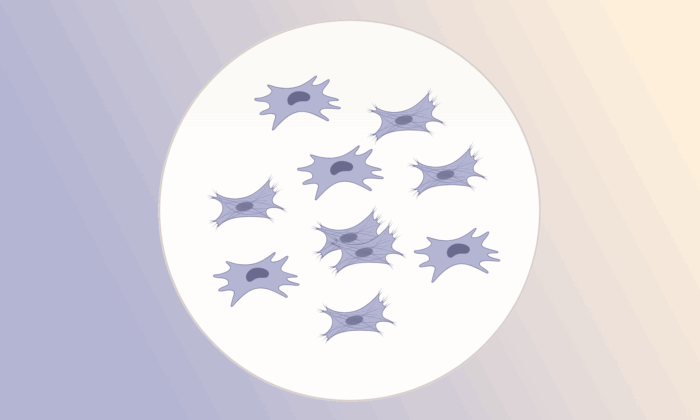
At Gallant, we’re exploring how stem cell therapy may help dogs with chronic inflammatory skin conditions such as canine atopic dermatitis. Because dermatitis can sometimes contribute to recurrent urinary issues, this area of research is especially relevant for dogs dealing with ongoing skin irritation.

Pet parents interested in learning more can explore Gallant’s research and clinical trials to follow new developments and participation opportunities.

3. Urinary retention

If your dog isn’t fully emptying their bladder when they urinate, urinary retention could be contributing to recurrent infections.

When urine sits in the bladder too long, bacteria have more time to multiply. A bladder that doesn’t empty well can become the perfect place for infection to linger or return.

Complicating things, urinary retention can be both a cause and a result of urinary tract problems. A dog with a UTI may strain and fail to empty completely, but chronic retention itself can also make future UTIs more likely.

Possible causes of urinary retention include:

  • muscle weakness
  • nerve or coordination problems
  • bladder dysfunction
  • rupture or injury involving the bladder or urethra
  • pain or obstruction affecting urination

If you notice your dog squatting often, passing only small amounts of urine, or seeming unable to empty fully, it’s worth mentioning to your vet. A dog peeing frequently does not always mean the bladder is emptying correctly.

And because urinary retention can overlap with other conditions—such as stones, obstruction, or neurologic issues—it’s one of the more important causes to evaluate promptly.

4. Underlying illness

Sometimes recurrent UTIs in dogs are a symptom of a bigger health problem.

In some cases, chronic disease changes the body in ways that make urinary infections more likely. For example, diabetes in dogs can increase infection risk because excess sugar in the urine can support bacterial growth. Dogs with diabetes may also drink and urinate more, which can make urinary symptoms easier to overlook at first.

Cushing’s disease in dogs is another condition linked to recurrent urinary issues. As an endocrine disorder, it can affect immune function and increase susceptibility to infection.

In rarer cases, chronic UTIs may also be associated with:

  • other endocrine disorders
  • immune-related problems
  • bladder abnormalities
  • certain cancers

That doesn’t mean every dog with repeated UTIs has a serious illness. But it does mean recurrent infection should not be brushed off as routine. If your dog keeps getting UTIs, your veterinarian may recommend testing for an underlying medical cause, especially if your dog also has symptoms such as increased thirst, weight changes, changes in appetite, lethargy, or ongoing skin issues.

og sitting on exam table at veterinary clinic 

Dog UTI Treatment: What to Expect

Dog UTI treatment depends on the cause. If testing confirms a bacterial infection, antibiotics are often part of the plan. But in dogs with recurring infections, treatment may need to go further than medication alone.

Depending on the situation, treatment may include:

  • antibiotics chosen based on culture results
  • follow-up urine testing
  • treating inflamed or infected skin around the urinary opening
  • addressing urinary retention
  • managing diabetes or Cushing’s disease
  • evaluating for structural issues or other chronic diseases

This is why recurrent UTIs shouldn’t be treated casually. If the root cause isn’t addressed, symptoms may improve temporarily and then return. Repeated antibiotic exposure without a clear plan can also make things more complicated over time.

If your dog seems to always be dealing with urinary problems, your vet may recommend a more detailed workup rather than another round of empiric treatment.

How to Help Prevent UTIs in Dogs

If you’re wondering how to prevent UTIs in dogs, prevention usually starts with understanding why they’re happening.

Some general ways to support urinary health include:

  • encouraging good hydration
  • giving your dog regular chances to urinate
  • keeping the genital area clean and dry
  • following veterinary instructions carefully during treatment
  • returning for recheck testing when advised
  • managing chronic health conditions that may increase infection risk

For dogs with dermatitis, incontinence, or anatomical skin folds, hygiene and moisture control may be especially important. For dogs with endocrine disease, long-term medical management can play a major role in lowering the risk of future infections.

Preventing a recurrent dog UTI is often less about a quick fix and more about solving the reason it keeps coming back.

FAQ

Why does my dog keep getting UTIs?

A dog may keep getting UTIs because of relapse, dermatitis around the urinary opening, urinary retention, or an underlying illness such as diabetes or Cushing’s disease.

What are common dog UTI symptoms?

Common dog UTI symptoms include frequent urination, straining, accidents in the house, cloudy urine, strong-smelling urine, licking the genital area, and blood in a dog’s urine.

Can a dog’s UTI come back after antibiotics?

Yes. A UTI can return if the original infection was not fully eliminated, if the bacteria were resistant to the antibiotic used, or if another condition is making reinfection more likely.

What causes blood in a dog’s urine?

Blood in dog urine can be caused by infection, inflammation, urinary retention, stones, or other urinary tract problems. It should always be checked by a veterinarian.

How are recurrent UTIs in dogs treated?

Treatment may include antibiotics, urine culture, and management of whatever underlying issue is contributing, such as dermatitis, urinary retention, diabetes, or another chronic condition.

How can I help prevent UTIs in dogs?

Good hydration, regular bathroom breaks, hygiene, and treatment of any underlying medical or structural problem can help reduce the risk of future UTIs.

Gallant Staff

This article was prepared by the Gallant team—a group of veterinarians, scientists, and animal health professionals working to advance regenerative medicine for pets.