5 Most Common Boston Terrier Health Concerns
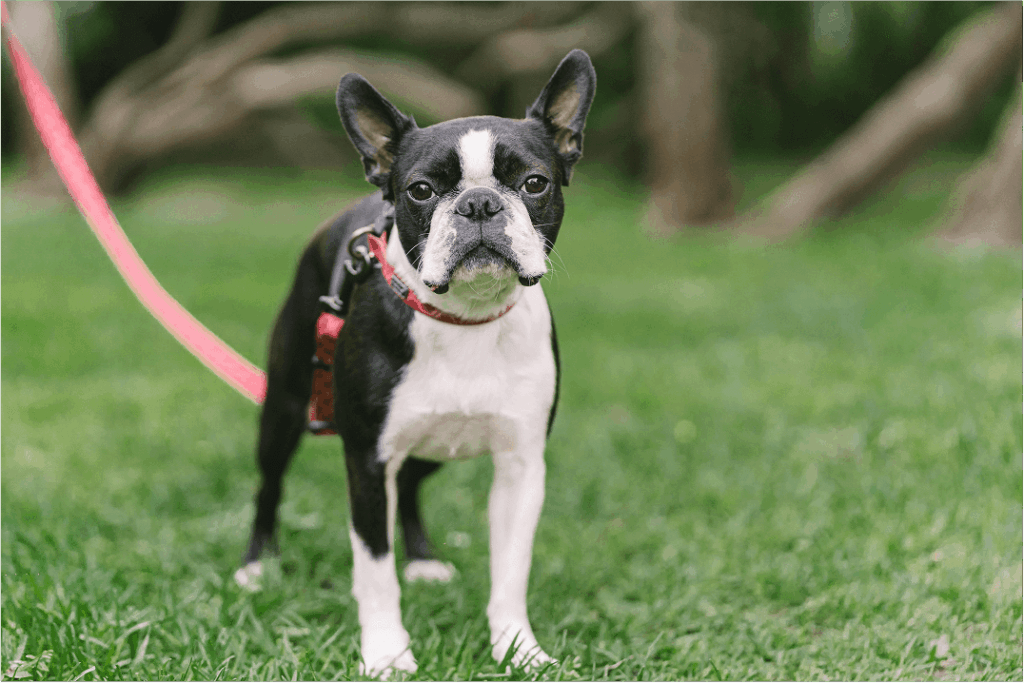
Boston Terriers are some of the smartest and most playful dogs, all wrapped up in an adorable, pint-size package. These hilarious hounds are sure to steal your heart with their dapper good looks and zest for life.
However, if you’re thinking about bringing one of these canine cuties into your life, it’s important to recognize the Boston Terrier`s most common health concerns. Below, we’ll share 5 of the most common illnesses so that you can be a prepared pet parent.
Brachycephalic Airway Syndrome in Boston Terriers
Boston Terriers are known for their signature small snouts. Brachycephalic means “short-headed,” and Boston Terriers fall under this classification, along with other common breeds like the French Bulldog, Shih-Tzu, Pug, and Boxer.
Many new owners ask: “Do Boston Terriers have breathing issues?” The answer is yes—some are prone to snoring, wheezing, and exercise intolerance.
Brachycephalic Airway Syndrome can cause lung collapse, gastrointestinal issues, and trouble breathing while exercising. The syndrome is usually diagnosed within 1-4 years of age and is best corrected soon after the diagnosis. The signs are noisy breathing, overheating, fainting during activity.
This condition is treated with surgery; however, there are a couple of strategies you can proactively engage in to protect your pooch.
- Work with a trusted breeder. Responsible Boston Terrier breeders should be privy to your puppy’s genetic history, giving you a window into how likely this condition may be.
- Make sure you monitor your pooch carefully whenever he’s under hot weather conditions or exercising, as these parameters can make breathing more difficult.
- Keep your Boston Terrier at a healthy weight since obesity can also exacerbate symptoms.
Boston Terrier Eye Problems (Glaucoma)
These big-eyed beauties are unfortunately more prone to developing eye issues like Glaucoma. This issue occurs whenever there is some obstruction in the eyeball’s drainage system. The obstruction puts pressure on the eyeball, eventually leading to optic nerve damage.
This can be super painful for your Boston Terrier, so you may notice the following symptoms:
- pawing or rubbing at the eye
- redness or discharge
- sudden vision changes
Do Boston Terriers go blind easily? Glaucoma can cause vision loss if untreated. While eye drops may help, regular veterinary eye exams are essential to protect your Boston Terrier’s sight.
Other common Boston Terrier eye issues include cataracts and corneal ulcers.
Ear Infections in Boston Terriers
Boston Terriers have big bat-like ears that make them susceptible to a wide range of infections. You might notice your dog:
- scratching at their ears
- shaking their head
- Having discharge or odor from the ear canal
To reduce risk, clean your Boston Terrier’s ears every 2 weeks and always after bathing, swimming, or any contact with water. If infections keep coming back, ask your vet to check for underlying allergies.
Boston Terrier Skin Allergies
Along with ear infections, Boston Terriers are also known to have trouble with skin allergies. Skin allergies or atopy can manifest in excessive biting, licking, or scratching of the skin. You might also see dry, flaky skin presented as dandruff or red, irritated skin on your dog’s belly or skin folds.
Skin allergies can be caused by a wide range of stimuli, so it’s best to speak with your veterinarian to rule out the root cause of the issue. Traditional management often involves antihistamines, medicated shampoos, or prescription diets — which may relieve symptoms but don’t always address the root cause.
Regenerative medicine has become an important option in veterinary care today. Ready-to-use, off-the-shelf stem cell therapies are already being studied in dogs with atopic dermatitis, with the goal of restoring balance in the immune system and reducing inflammation at its source. This approach may help improve comfort and quality of life in ways that conventional treatments sometimes cannot.
Advance Veterinary Science
Be part of the movement bringing stem cell therapies into everyday veterinary care. Clinical trials
are underway for conditions like atopic dermatitis, arthritis, and more — helping pets live
healthier, more comfortable lives.
Patellar Luxation (Slipped Kneecap)
Patellar luxation, otherwise known as a slipped kneecap, is a condition that’s fairly common in small dog breeds. You may notice your Boston Terrier limping, refusing to put weight on a leg, or regularly stopping to stretch his rear legs.
Mild cases can improve with physical therapy, while severe cases may need surgery. Since it’s a genetic condition, choosing a reputable breeder is the best prevention.
Are Boston Terriers Healthy Dogs Overall?
Like any other breed, Boston Terriers are susceptible to their own subset of health concerns. With good care, they live 11–13 years on average and bring endless joy.
To help your pup stay healthy:
- Schedule regular vet checkups for eyes, ears, and joints
- Keep them at a healthy weight to ease breathing and knee strain
- Clean ears and skin folds to reduce infections
- Work with a responsible breeder to minimize inherited risks
With the right attention, Boston Terriers thrive as loyal, funny, and loving companions.
Still Choosing the Right Breed?
If you’re just starting your journey as a pet parent and considering different options, check out our guide to the 25 Best Dog Breeds for Families to explore more lovable companions.