5 Most Common Cane Corso Health Concerns
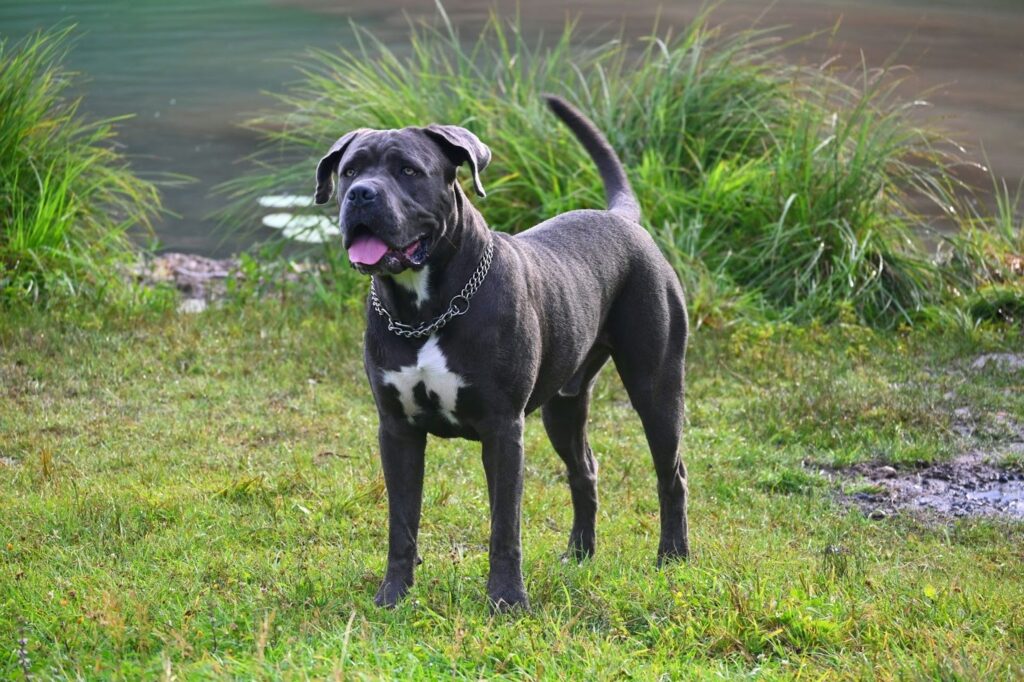
Cane Corsos are majestic, loyal, and deeply devoted dogs. These powerful protectors were originally bred for farm work and guarding. But behind their muscular frame is a heart full of affection. With the right training and care, they make excellent family companions.
Like many large breeds, however, Cane Corsos can be prone to certain health issues. Knowing what to watch for and how to prevent it can make all the difference in keeping your pup happy and healthy for years.
1. Hip Dysplasia
Unfortunately, Cane Corsos are prone to hip dysplasia. This inherited joint condition is one of the most common orthopedic problems in large breeds. It occurs when the ball of the hip does not fit snugly into its socket, causing friction, pain, and inflammation.
You might notice your dog becoming slower on walks, struggling to climb stairs, or hesitating before jumping into the car. Over time, hip dysplasia can limit mobility and lead to arthritis if not addressed early.
Your veterinarian may recommend a combination of:
- Joint-supporting supplements such as glucosamine or omega-3 fatty acids
- Low-impact exercise, including swimming or controlled leash walks
- Physical therapy or hydrotherapy to build strength and flexibility
Even if hip dysplasia sounds intimidating, it is highly manageable when detected early. Many Cane Corsos live long, comfortable lives with proper care and monitoring.
2. Bloat (Gastric Dilatation–Volvulus)
Bloat in Cane Corsos is one of the most serious emergencies that owners should be aware of. This life-threatening condition occurs when the stomach fills with gas and sometimes twists, cutting off blood flow to vital organs.
It can develop suddenly and progress rapidly. You may notice your Cane Corso attempting to vomit without success, pacing, panting, or displaying a swollen, tight abdomen.
If you ever suspect bloat, seek emergency veterinary care immediately—it can be fatal within hours.
How to reduce the risk of bloat:
- Feed smaller, more frequent meals rather than one or two large ones.
- Avoid vigorous play or exercise immediately before or after meals.
- Use a slow-feeder bowl to minimize air intake.
- For dogs at higher risk, your veterinarian may recommend preventive gastropexy, a surgical procedure that secures the stomach to reduce the chance of torsion.
3. Entropion
Cane Corsos are known for their expressive eyes, but they can also be sensitive. Entropion, an inherited eyelid condition, causes the eyelid to roll inward, making the eyelashes rub against the cornea.
Dogs with entropion often squint, tear excessively, or rub their eyes on furniture or the carpet. You may also notice redness or a cloudy film over the eye.
The good news: a simple corrective surgical procedure can permanently resolve the issue. Once treated, most dogs recover quickly and return to their bright-eyed selves.
4. Cherry Eye
If you have ever noticed a red, round bump in the corner of your dog’s eye, it may be something called cherry eye—another condition to which Cane Corsos are predisposed.
Cherry eye occurs when the gland in the dog’s third eyelid becomes inflamed or prolapsed. It may not be painful at first, but if left untreated, it can lead to chronic irritation or infection.
Your veterinarian will likely recommend a minor surgery to reposition, rather than remove, the gland. This helps preserve normal tear production and protect long-term eye health.
If your dog develops cherry eye once, monitor the other eye closely, as recurrence is common.
5. Ear Infections
Cane Corsos have distinctive, deep ear folds, but those same folds can trap moisture and debris, increasing the risk of ear infections.
Early signs of an ear infection include:
- Head shaking or frequent scratching
- A yeasty or foul odor
- Redness, swelling, or discharge in the ear canal
If left untreated, infections can cause pain, hearing loss, or chronic inflammation. Your veterinarian may prescribe a medicated cleanser or antibiotic ear drops, depending on the cause.
Rather than cleaning daily, which can irritate the ear canal, aim for gentle weekly cleaning with a veterinarian-approved solution. After swimming or baths, dry your Cane Corso’s ears thoroughly and keep the hair around the canals trimmed to promote airflow.
Investigational Stem Cell Therapies for Dogs
At Gallant, we are developing ready-to-use stem cell therapies for conditions where current treatment options may be limited. These therapies are designed to work with the body’s natural healing processes, addressing underlying causes rather than simply managing symptoms. By targeting immune regulation and cellular-level tissue repair, Gallant aims to support the body’s own regenerative potential.
Therapies in our pipeline progress through rigorous research, review, and clinical evaluation, advancing step by step toward regulatory standards for safety and quality before becoming commercially available. Administered in ways compatible with everyday veterinary practice, these investigational therapies are intended to provide veterinarians with new tools for managing conditions that currently have few effective treatment options.
Therapies that are not yet available for general use may be accessed through clinical trial participation, allowing pet owners and veterinarians to contribute to advancing regenerative veterinary medicine.
Join Clinical Trials and Restore Health at the Source
Clinical trials are currently underway for dogs with conditions such as canine osteoarthritis and canine atopic dermatitis. By enrolling your dog in a trial, you can participate in cutting-edge research while contributing to the development of new therapeutic options.