Is it Normal That My Cat Snores?
Hearing your cat snore can be surprising, especially if the sound is loud enough to wake you up. While cat snoring is often harmless, it can sometimes indicate an underlying health condition affecting your cat’s airway, respiratory system, or overall comfort.
In many cases, snoring happens because airflow is partially blocked while your cat sleeps. This can occur due to normal anatomy, sleep position, or temporary congestion. However, persistent or worsening snoring may signal issues such as upper respiratory infections, obesity, nasal polyps, allergies, or chronic inflammation.
Understanding the cause of your cat’s snoring can help you determine whether it’s simply a quirky sleep habit or something that may need veterinary evaluation.
Is Snoring in Cats Normal?
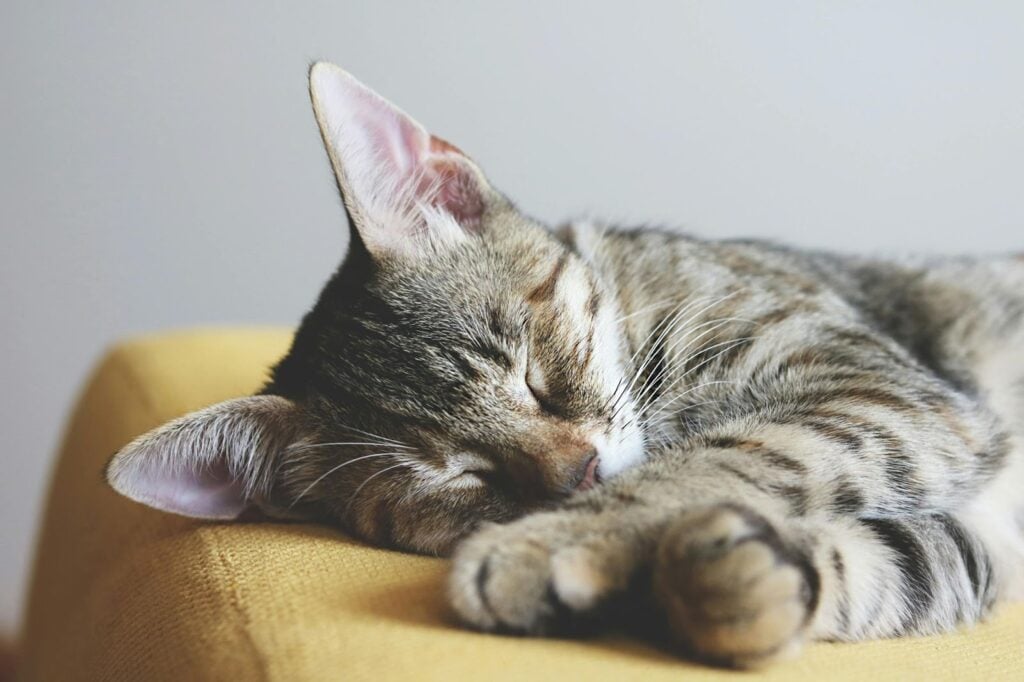
In a word, yes! Cats sleep in cycles just like humans, so they experience both R.E.M. sleep and a deeper, more relaxed sleep. It’s when they’re in “relaxed mode” that you’re most likely to hear snoring. If you notice twitching or meowing squeaks, your cat’s more likely to be in R.E.M. If you hear your cat snoring only once in a while, it’s probably nothing to be concerned about.
Likewise, if your cat has always snored and doesn’t seem to be suffering from any physical discomfort, it may just be who he is! The shape of some people’s nasal passages makes them more likely to be snorers, too.
Why is My Cat Snoring?
A few of the most common reasons why your cat might be snoring include:
- Nose Shape
The shape of your cat’s nose and sinus passages has a lot to do with how air moves in and out. Some cats are just predisposed to snoring, particularly if they’re a brachycephalic breed. They have naturally narrower nasal passages, smaller nostrils, and sometimes an elongated soft palate that can partially block airflow. Breeds in this category include:
- Persian
- Himalayan
- Exotic Shorthair
- Burmese
- British Shorthair
- Sleep Position
It’s possible that an awkward sleep position is causing your cat to snore. If this is the case, the sound should be temporary and stop when your cat changes positions.
- Excess Weight
A cat’s weight has a lot to do with the quality of its sleep. Extra weight can put pressure on your cat’s nasal passages, causing him to snore. And remember, snoring caused by obesity might mean your cat isn’t getting the rest he needs!
When is Snoring in Cats NOT Normal?
That’s a great question. In general, snoring is considered normal in cats unless it occurs alongside other symptoms. Things to watch out for include discharge from the eyes or nose, which could indicate your cat has a respiratory infection.
You should also monitor your cat for behavioral changes, such as lethargy, apathy, or changes in eating or drinking. If he’s showing any of those symptoms, be sure to touch base with your vet. If your cat is panting, struggling to breathe, coughing with great effort, or gasping for air with an extended neck, contact a vet as soon as possible.
Upper Respiratory Infections in Cats
Just like humans snore more when they have a cold, cats with upper respiratory infections often snore due to nasal congestion and inflammation. Common causes in cats include feline herpesvirus and feline calicivirus.
A cat with a respiratory infection will typically show additional symptoms like sneezing, a runny nose, eye discharge, or a mild fever. These infections are contagious between cats, so if you have multiple pets, isolate any cat showing symptoms.
Feline Allergies
Environmental or seasonal allergies can cause nasal inflammation and congestion in cats, which in turn leads to snoring. Common triggers include dusty cat litter, pollen, secondhand smoke, and household aerosol sprays.
If your cat’s snoring seems to come and go seasonally or worsens around specific environments, allergies could be a contributing factor.
Nasal Polyps, Tumors, or Foreign Objects
Growths inside the nasal passages or throat—such as non-cancerous polyps or, more rarely, tumors—can obstruct airflow and cause persistent snoring. Even a small foreign object lodged in the nasal cavity, like a blade of grass, can be enough to trigger snoring. If the snoring is constant and seems unrelated to sleep position or illness, your vet may want to examine the nasal passages more closely.
Age-Related Changes
Older cats are more likely to snore than young kittens. As cats age, the soft tissues in the throat gradually lose muscle tone and become more relaxed, producing more airway vibration during sleep.
Senior cats are also at higher risk for conditions like asthma, obesity, dental disease, and chronic nasal inflammation, all of which can contribute to snoring. If your older cat has recently started snoring for the first time, it’s a good idea to mention it at their next wellness exam.
How Can I Help My Cat Stop Snoring?
Whether or not you can reduce your cat’s snoring depends largely on the cause. Here are the most effective options:
- Weight Management
With more than 60% of cats considered either obese or overweight, odds are your cat’s snoring is caused by a need to trim down. Your vet may recommend a specific weight-management diet, controlled portion sizes, and increased playtime. As your cat reaches a healthier weight, the snoring often improves or stops entirely.
- Adjust Sleep Position
If the snoring seems position-related, gently rearrange your cat while they sleep to encourage a more neutral head and neck alignment. This small change can make a noticeable difference without disturbing their rest much.
- Improve Air Quality
Dry air, dust, and indoor irritants can all contribute to nasal congestion in cats. Consider placing a humidifier near your cat’s favorite sleeping spot—use plain water only, as cats are sensitive to inhaled essential oils and additives. Using an air purifier, vacuuming regularly, switching to dust-free cat litter, and eliminating aerosol sprays or indoor smoking can also reduce airway irritation.
- Treat the Underlying Cause
If a respiratory infection is behind the snoring, your vet may prescribe antibiotics (for bacterial infections) or supportive care to help your cat recover. Nasal polyps or foreign objects can typically be removed by a veterinarian. If allergies are involved, your vet may suggest environmental changes, dust-free litter, antihistamines formulated specifically for cats (never give human antihistamines to a cat), or a prescription diet if food allergies are suspected.
- White Noise Machine
If your cat’s snoring is harmless but keeping you awake, there’s no shame in investing in a white noise machine for your bedroom. A good one can mask the sound effectively while you both get a good night’s sleep.
Discover the Future of Pet Health
Stay ahead of the curve in pet care with updates on stem cell therapies and clinical trials that can enhance your cat’s well-being.