Why Is My Cat Panting and What Should I Do?
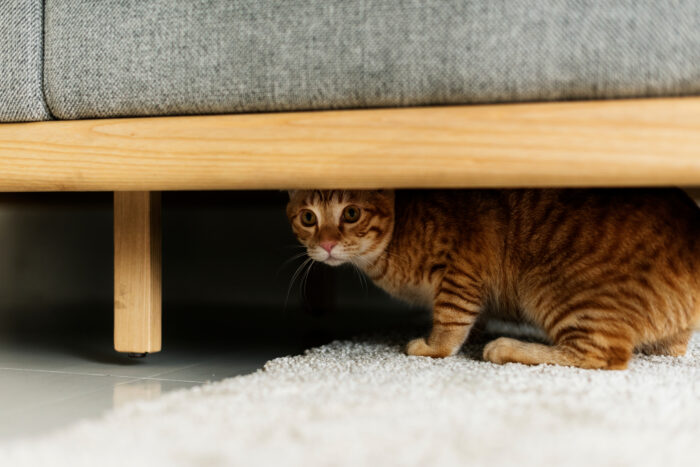
Seeing your cat pant, especially if it happens suddenly, can be surprising and even a little scary. Cats don’t pant the same way dogs do, so open-mouth breathing in cats is considered unusual in most situations. The good news is that some panting can be normal, especially if there’s an obvious cause. Still, because panting can also be linked to stress, overheating, or medical issues, it’s important to understand when cat panting is normal and when to call your veterinarian.
Do Cats Pant?
Yes, but not very often! Unlike dogs, cats rarely use panting as a cooling mechanism. Most healthy cats breathe quietly through the nose, so open-mouth breathing tends to stand out to pet owners.
Cats may pant briefly after:
- intense play
- running around the house
- exposure to heat or humidity
- stressful events like car rides or vet visits
Certain breeds, especially Persians, Himalayans, and other flat-faced (brachycephalic) cats, may pant more easily because of their facial structure.
Normal panting should be short-lived, quiet, and should stop once your cat cools down or calms down. If your cat’s breathing doesn’t return to normal or seems effortful, it may indicate a problem.
Normal Cat Panting vs. Concerning Panting
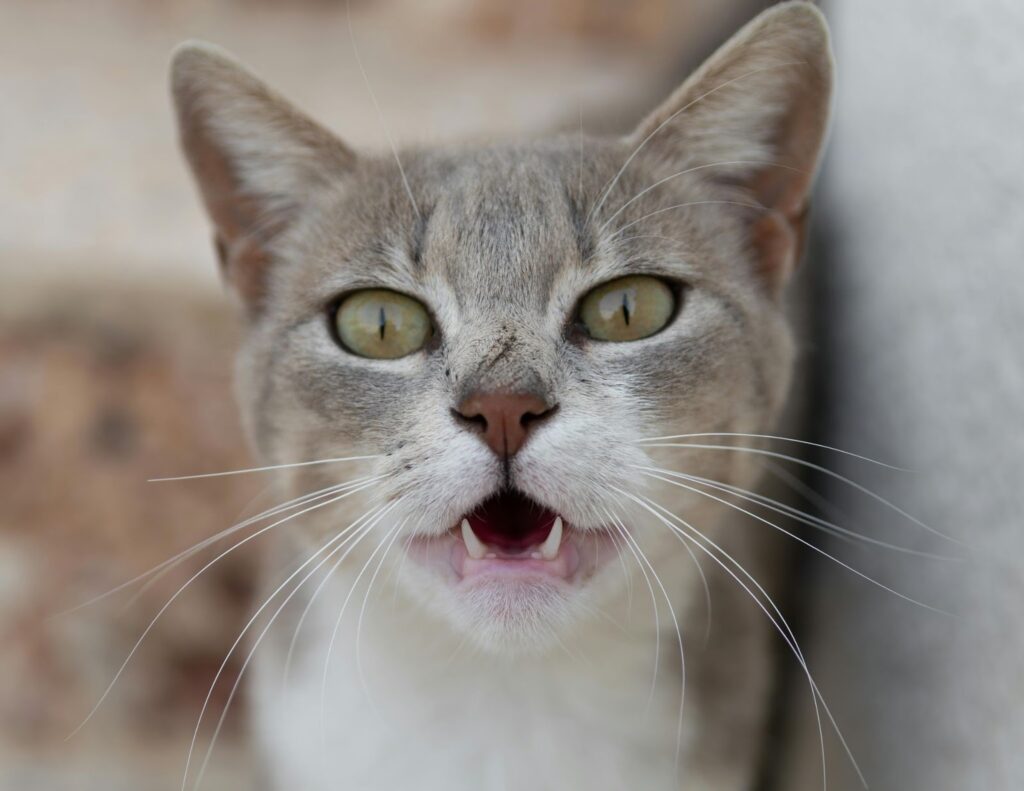
Normal panting tends to look like your cat catching their breath: a slightly open mouth, shallow breaths, and quick recovery. The breathing is usually smooth and not accompanied by drooling, wheezing, or distress.
Panting becomes more concerning when:
- it appears suddenly and without a clear reason
- it lasts longer than a minute or two
- your cat seems stressed, weak, or disoriented
- the breathing looks labored or rapid
If you’re ever unsure why your cat is panting, stop, observe, and monitor closely. Cats don’t pant randomly—there’s always a reason.
When to Worry About Cat Panting
If your cat is panting in a situation that shouldn’t cause heavy breathing, like sleeping, resting indoors, or calmly sitting, it may be a sign of something more serious.
Panting combined with any of the following symptoms should be treated as urgent:
- bright red tongue or gums
- heavy drooling
- weakness or collapse
- vomiting or diarrhea
- bleeding from the nose
- open-mouth breathing that doesn’t stop
- breathing with the belly instead of the chest
These signs may signal heat stroke, respiratory distress, heart disease, or another medical emergency. If the panting seems random and there’s no clear cause (heat, stress, exercise), call your veterinarian right away.
Medical Reasons Cats Pant
Unexplained panting can be linked to several health conditions. While panting alone doesn’t diagnose anything, it is an important symptom your veterinarian will ask about.
Possible medical causes include:
- asthma or airway inflammation
- respiratory infections
- heartworm disease
- pleural effusion (fluid around the lungs)
- congestive heart failure
- anemia
- pain, fever, or illness
- diabetic complications
These conditions affect how efficiently oxygen travels through your cat’s body, which can lead to rapid or open-mouth breathing.
To understand what’s causing the panting, your veterinarian may suggest diagnostic testing such as bloodwork, heartworm screening, or imaging like X-rays or ultrasound. These tests help identify whether the issue is related to the lungs, heart, airways, or another part of the body so that your cat can get the right care as quickly as possible.
In general, if you’re concerned about your cat’s behavior, call your vet!
No issue is too big or too small for a vet to consult on, and sometimes seemingly innocuous behaviors, such as panting, can be a symptom of a bigger problem.
Stay in Touch
Get updates on how stem cell therapies are improving pets’ quality of life. Learn about upcoming clinical trials and new treatments designed to help your pet thrive.